OpenAI is reportedly building 'Athena', a data platform to make its AI agents more accurate on business data
According to The Information, OpenAI is developing Athena, a semantic-layer-style data platform meant to stop its agents from guessing about company metrics. The project is reportedly in early development, and OpenAI has not confirmed it.
The story in 30 seconds
- The Information reports that OpenAI is building a data platform code-named Athena to make its AI agents more accurate with business data.
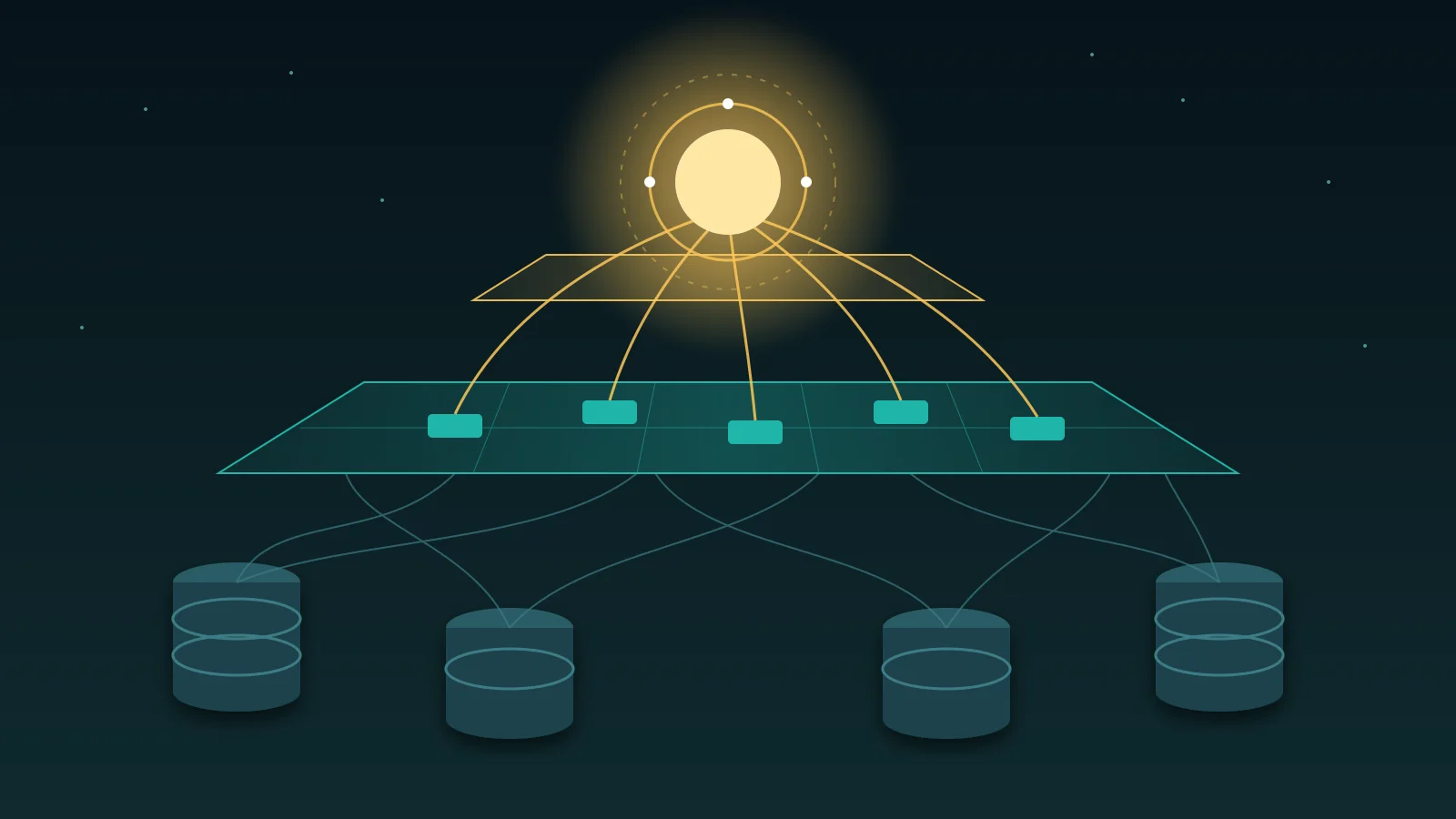
- Athena reportedly resembles a semantic layer, which gives metrics such as revenue a single shared definition.
- At least one customer reportedly found the data-analysis agent in ChatGPT Work not accurate enough.
- The platform is said to be in early development. OpenAI has not confirmed it or shared a timeline or pricing.
- Snowflake and Databricks already offer semantic layers, so Athena could put OpenAI into competition with data-platform vendors.
Is this official? Reported, not yet official
- Rumour
- Reported
- Confirmed
- Official
Reported, not confirmed: the story rests on The Information's paywalled report, citing a person familiar with the plans, as summarised by The Decoder on 27 November 2026. We could see only The Information's headline. OpenAI has not announced Athena.
Event date: 27 Nov 2026
What happened
OpenAI is reportedly building a data management platform, code-named "Athena", to make its AI agents more accurate when they work with company data. The Information first reported the plan in a story by Kevin McLaughlin and Laura Bratton headlined "OpenAI Preps 'Athena' Data Tool to Make its Agents More Accurate". The Decoder summarised the report on 27 November 2026.
The Information's article is paywalled, and we could not read its full text. The details below come from The Decoder's summary. OpenAI has not announced or confirmed Athena, and it has not shared a timeline or pricing.
What Athena reportedly is
According to the report:
- A semantic layer for agents. Athena reportedly "resembles a semantic layer". This is software that gives business metrics such as revenue or customer count one shared definition, so every tool calculates them the same way.
- A response to accuracy complaints. At least one customer reportedly found the data-analysis agent in ChatGPT Work not accurate enough.
- Agents that maintain business rules. A person familiar with the plans said OpenAI is using Athena to build agents that collect, document and update a company's business rules. Other agents then do not have to rebuild that context each time.
- Early stage. The platform is described as "still in early development".
Why it matters
When an AI agent is asked something like "what was our churn last quarter?", the hard part is often not the language model. It is knowing which table holds the right data, how the company defines "churn", and which rows to exclude. Errors there produce confident but wrong answers, which matters most in finance, sales and other reporting work.
A semantic layer tackles this by writing those definitions down once. If OpenAI builds its own, it would move into a market already served by data-platform companies. The report notes that Snowflake and Databricks already offer semantic layers.
The report also suggests a strategic reason. Switching semantic-layer providers is reportedly harder than switching AI models. If a company's business definitions live in an OpenAI product, it may be less likely to move its agent work to a rival model provider.
How it fits with what OpenAI has already said
OpenAI has written publicly about the same problem inside its own company. In a January 2026 post, it described an internal data agent that grounds answers in six "layers of context". These include table usage patterns, human annotations, code analysis, institutional knowledge from tools such as Slack and Notion, saved corrections, and live warehouse queries. OpenAI said more than 3,500 internal users work with about 600 petabytes of data across some 70,000 datasets. That post does not mention Athena or use the term "semantic layer". It does show that OpenAI already treats business context as the main obstacle to accurate data agents.
What we do not know yet
- Whether Athena will become a product. OpenAI has not commented, and the platform is reportedly in early development.
- Who gets it and at what price. No timeline, pricing or customer list has been reported.
- How it would work with existing tools. It is not known whether Athena would connect to semantic layers that companies already run in Snowflake, Databricks or other platforms, or replace them.
- How much it improves accuracy. No figures on accuracy gains have been published.
Related news
- 25 November 2026: TechCrunch reported that OpenAI began merging ChatGPT's Chat and Work experiences for some Pro subscribers under one usage meter. ChatGPT Work is the product whose data agent Athena is reportedly meant to improve. TechCrunch
- 11 July 2026: The Decoder reported that OpenAI admitted it "didn't get everything quite right" with the ChatGPT Work launch and was working on problems including user experience and costs. The Decoder
- 29 January 2026: OpenAI described its internal data agent and the six layers of context it uses to answer questions about the company's data. It is the clearest public sign of the approach Athena reportedly extends. OpenAI
Questions and answers
Has OpenAI announced Athena?
No. Athena was reported by The Information, citing a person familiar with the plans, and summarised by The Decoder on 27 November 2026. OpenAI has not confirmed the project, and its name, scope and timing could change.
What is a semantic layer?
It is software that stores one agreed definition for business metrics such as revenue, active customers or churn, and maps them to the underlying data. Analysts and AI agents can then query those definitions instead of guessing which tables and filters to use. Snowflake and Databricks already offer semantic layers.
Why would OpenAI build this?
According to the report, at least one customer found the data-analysis agent in ChatGPT Work not accurate enough. Athena is meant to give agents documented business rules so their answers are more reliable. The report also suggests that a semantic layer is harder to switch away from than an AI model.
When will Athena be available, and what will it cost?
No one knows yet. The report describes the platform as still in early development, and OpenAI has not shared a timeline or pricing.
Does this compete with Snowflake and Databricks?
Potentially. Both already offer semantic layers, and the report places Athena in the same category. It is not known whether Athena would replace these tools or connect to them.
Is there evidence that this approach improves accuracy?
No figures have been published for Athena. OpenAI has said its own internal data agent relies on several layers of business context to answer questions, but it has not published accuracy results that we could link to Athena.
Sources
- OpenAI is building "Athena" data platform to cut down on AI agent guessworkThe Decoder27 Nov 2026 Checked
- OpenAI Preps 'Athena' Data Tool to Make its Agents More AccurateThe Information Not independently verified
- Inside our in-house data agentOpenAI29 Jan 2026Official Checked
- OpenAI says heavy ChatGPT users may hit limits sooner as it merges Chat and WorkTechCrunch25 Nov 2026 Checked
- OpenAI admits it 'didn't get everything quite right' with ChatGPT Work launchThe Decoder11 Jul 2026 Checked
Found this useful?
Send it to someone who follows this space.
This article was drafted with AI from the sources listed above and approved by an editor before publishing. Spotted a mistake? Tell us